
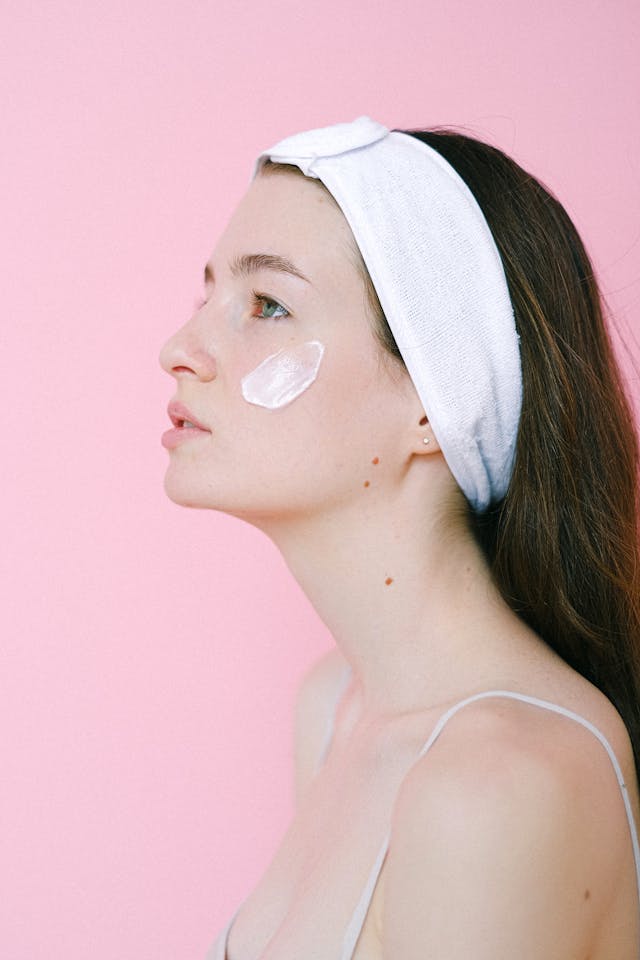
As skincare continues to evolve, one ingredient that consistently stands out for long-term results is tretinoin. While it is widely known for treating acne, tretinoin is also one of the most effective solutions for addressing early signs of aging. From fine lines to uneven texture, it works beneath the surface to gradually restore a smoother and more youthful appearance.
In this article, we’ll focus specifically on how tretinoin supports anti-aging, what results to expect, and how to use it properly for long-term skin improvement.
Why Tretinoin Is Used for Anti-Aging
Aging skin often shows signs such as fine lines, wrinkles, dullness, and loss of elasticity. These changes are largely caused by a slowdown in collagen production and skin cell turnover.
Tretinoin helps reverse these effects by stimulating natural processes within the skin. Instead of providing temporary surface-level improvements, it works at a deeper level to rebuild and strengthen the skin over time.
How Tretinoin Improves Aging Skin
Tretinoin targets multiple factors that contribute to visible aging.
Boosts Collagen Production
Collagen is responsible for keeping the skin firm and smooth. As we age, collagen levels decline. Tretinoin stimulates collagen production, helping reduce the appearance of fine lines and wrinkles.
Speeds Up Cell Turnover
Older skin tends to shed dead cells more slowly, leading to a dull and uneven appearance. Tretinoin increases the rate at which new skin cells are formed, revealing fresher and brighter skin.
Improves Skin Texture
With consistent use, tretinoin smooths rough patches and refines the overall texture of the skin.
Reduces Pigmentation and Age Spots
Sun exposure and aging often lead to dark spots. Tretinoin helps fade these spots by promoting even skin renewal.
Visible Benefits Over Time
Unlike instant cosmetic treatments, tretinoin delivers gradual but lasting results.
- Smoother skin texture within a few weeks
- Reduction in fine lines over a few months
- More even skin tone with continued use
- Improved firmness and elasticity over time
The key is consistency. Results become more noticeable the longer it is used correctly.
How to Use Tretinoin for Anti-Aging
Using tretinoin properly is essential to avoid irritation and get the best results.
Apply at Night Only
Tretinoin should always be used in the evening as it can break down in sunlight.
Use a Small Amount
A pea-sized amount is enough for the entire face. Using more can increase irritation without improving results.
Start Slowly
Begin with two to three applications per week. Gradually increase frequency as your skin adapts.
Moisturize Regularly
Dryness is common in the early stages. A gentle moisturizer helps maintain skin balance.
Wear Sunscreen Daily
Sun protection is essential. Tretinoin-treated skin is more vulnerable to UV damage, which can reverse progress.
Common Challenges and How to Manage Them
When starting tretinoin, it is normal to experience some temporary side effects.
Dryness and Peeling
This happens as the skin renews itself. Using a moisturizer and reducing frequency can help.
Redness and Sensitivity
These effects usually improve as the skin builds tolerance.
Initial Breakouts
Some users notice an increase in breakouts at first. This is a short-term phase as clogged pores clear out.
Being patient and consistent is important during this adjustment period.
Who Should Consider Tretinoin for Anti-Aging
Tretinoin is suitable for individuals who want long-term improvements in skin quality rather than quick fixes.
It is particularly helpful for:
- Early signs of aging
- Uneven skin tone and texture
- Sun-damaged skin
- Fine lines and mild wrinkles
However, it is best to consult a dermatologist before starting, especially for sensitive skin types.
Tips for Better Anti-Aging Results
- Keep your skincare routine simple
- Avoid harsh exfoliants while using tretinoin
- Stay consistent with application
- Focus on hydration and skin barrier repair
- Protect your skin from daily sun exposure
Conclusion
Tretinoin is one of the most reliable and well-researched ingredients for anti-aging. It goes beyond surface-level improvements by supporting collagen production and accelerating skin renewal.
While it requires time and careful use, the results are long-lasting and meaningful. With patience and the right routine, tretinoin can help maintain smoother, clearer, and more youthful-looking skin over the long term.