
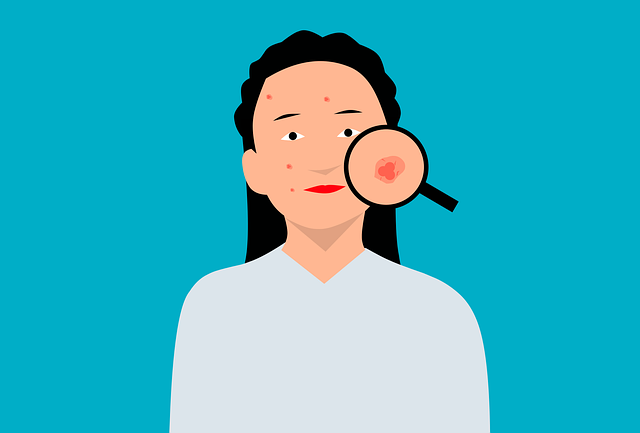
Acne breakouts often leave behind more than temporary irritation. Even after active acne has healed, many people continue dealing with dark marks, uneven skin texture, and visible scarring that can remain for months or even years. These post-acne changes can affect skin clarity and confidence just as much as active breakouts. While many skincare products claim to fade acne scars quickly, only a few ingredients are consistently recommended by dermatologists for long-term improvement. Tretinoin is one of them.
Tretinoin is widely known as a prescription treatment for acne, but its benefits extend far beyond active breakouts. It is also one of the most effective topical ingredients for improving post-acne pigmentation, smoothing rough texture, and supporting gradual skin repair. When used correctly, tretinoin helps the skin renew itself faster, allowing acne marks to fade more efficiently and improving the overall appearance of acne-prone skin.
In this article, we’ll take a closer look at how tretinoin works for acne scars, what types of post-acne marks it can improve, how long results usually take, and how to use it safely for the best outcome.
Why Acne Scars and Post-Acne Marks Form
Acne scars and post-acne marks develop as part of the skin’s healing process after inflammation. When pores become clogged and inflamed, the skin responds by trying to repair itself. Depending on the severity of the breakout and how the skin heals, this process can leave behind either discoloration, texture changes, or both.
For some people, acne leaves dark spots after blemishes heal. These marks are known as post-inflammatory hyperpigmentation and are especially common in skin that is prone to pigmentation. They are not true scars, but they can linger for a long time if untreated.
In other cases, acne damages deeper layers of the skin and affects collagen production. This can lead to textural scarring, including shallow depressions, uneven patches, or rough areas where the skin does not heal smoothly.
Because acne marks can form in different ways, treatment depends on whether the concern is pigmentation, texture, or deeper scarring. Tretinoin is especially useful because it addresses several of these issues at once.
What Tretinoin Does for Post-Acne Skin
Tretinoin is a vitamin A derivative that speeds up skin cell turnover and improves how the skin repairs itself. Instead of simply treating the surface, it works within the skin to improve cell renewal, support collagen, and gradually correct visible damage left behind by acne.
This makes tretinoin especially valuable for people who want to improve the appearance of old acne marks while also preventing new ones from forming.
Unlike harsh exfoliants that only remove surface buildup, tretinoin encourages the skin to function more efficiently over time. This makes it one of the most reliable long-term treatments for post-acne recovery.
How Tretinoin Helps Fade Post-Acne Marks
It Speeds Up Skin Cell Turnover
One of the main reasons acne marks remain visible is that pigmented or damaged skin cells stay on the surface for too long. Tretinoin speeds up the rate at which these old cells shed and are replaced by healthier ones.
As this renewal process continues, post-acne pigmentation begins to fade and the skin gradually looks brighter and more even.
This is especially helpful for people dealing with stubborn acne marks that remain long after breakouts have healed.
It Helps Improve Uneven Skin Texture
Acne can leave the skin feeling rough, bumpy, or uneven even after inflammation has settled. Tretinoin helps smooth the skin by encouraging more consistent shedding of damaged surface cells.
Over time, this improves the overall texture of the skin and reduces the appearance of rough patches left behind by repeated breakouts.
While results are gradual, the skin often begins to feel softer and look more refined with continued use.
It Supports Collagen Production
Collagen plays a major role in how skin heals after acne. When inflammation disrupts collagen, shallow scars and uneven texture become more visible.
Tretinoin helps stimulate collagen production, which can gradually improve the appearance of mild textural scarring and support smoother skin over time.
This is one reason tretinoin is often recommended not only for acne, but also for long-term skin repair.
It Helps Prevent Future Acne
One of the biggest benefits of tretinoin is that it treats both current and past acne concerns at the same time.
By keeping pores clear and reducing congestion, tretinoin helps prevent new breakouts from forming. This is important because preventing new acne also reduces the risk of developing new scars and marks.
For acne-prone skin, this makes tretinoin especially useful as part of a long-term maintenance routine.
What Types of Acne Scars Tretinoin Can Improve
Tretinoin is most effective for acne-related skin concerns that involve pigmentation and mild surface irregularities.
It works particularly well for:
- Dark post-acne marks
- Uneven skin tone after breakouts
- Mild roughness and surface texture
- Shallow acne scarring
- Skin that looks dull after repeated acne flare-ups
Tretinoin is less effective for deeper acne scars such as ice-pick scars, boxcar scars, or deep pitted scarring. These types of scars usually affect deeper layers of the skin and often require in-office treatments such as chemical peels, microneedling, laser resurfacing, or professional collagen-stimulating procedures.
Still, even when deeper scars are present, tretinoin can improve surrounding skin quality and enhance the overall appearance of the skin.
How to Use Tretinoin for Acne Scars Safely
Tretinoin should be introduced gradually and used consistently to improve acne scars without causing unnecessary irritation.
Start with Clean, Dry Skin
Wash your face with a gentle cleanser and allow the skin to dry fully before applying tretinoin. Damp skin can increase irritation and sensitivity.
Use Only a Small Amount
A pea-sized amount is enough for the full face. Applying more will not make acne marks fade faster and may only increase dryness or peeling.
Apply at Night
Tretinoin should always be used in the evening because sunlight can reduce its stability and increase sensitivity.
Follow with Moisturizer
Hydration is important while using tretinoin. A gentle moisturizer helps support the skin barrier and reduces dryness during treatment.
Wear Sunscreen Every Day
This is one of the most important parts of treating acne marks. Sun exposure can worsen pigmentation and make post-acne marks last longer. Daily sunscreen helps protect progress and prevents discoloration from becoming darker.
How Long Tretinoin Takes to Improve Acne Scars
Tretinoin works gradually, and improvements in acne marks take time.
In the first few weeks, skin may begin to feel smoother, but visible changes are usually subtle.
By 6 to 8 weeks, some users begin noticing improvement in skin texture and early fading of dark marks.
By 8 to 12 weeks, post-acne pigmentation often becomes less noticeable and the skin may appear clearer and more even.
For shallow textural scars, improvement usually takes longer and becomes more noticeable over several months of consistent use.
The most important factor is consistency. Tretinoin delivers its best results when used regularly over time.
Common Side Effects During the Adjustment Phase
When starting tretinoin, it is normal to experience temporary dryness, peeling, mild redness, or sensitivity. These effects are common during the early adjustment period and usually improve as the skin builds tolerance.
Some people also notice a temporary increase in breakouts when first starting treatment. This is often referred to as purging and happens as clogged pores surface more quickly.
These effects are usually temporary and can often be managed by reducing application frequency and keeping the routine simple.
Tips to Improve Results While Using Tretinoin
To get the best results from tretinoin for acne scars, it helps to keep the rest of the routine supportive and non-irritating.
- Avoid picking at active acne
- Use a gentle cleanser
- Keep skin moisturized
- Avoid harsh scrubs and strong exfoliants
- Apply sunscreen daily
- Stay consistent and be patient
Skin recovery takes time, and gradual progress is more sustainable than aggressive treatment.
Conclusion
Tretinoin is one of the most effective long-term treatments for post-acne marks, uneven texture, and mild acne scarring. By increasing skin cell turnover, supporting collagen production, and preventing future breakouts, it helps the skin recover more effectively after acne.
While it does not produce instant results, consistent use can significantly improve skin clarity, smoothness, and overall tone over time. For people dealing with lingering acne marks and rough post-acne texture, tretinoin remains one of the most practical and dermatologist-supported options available.