
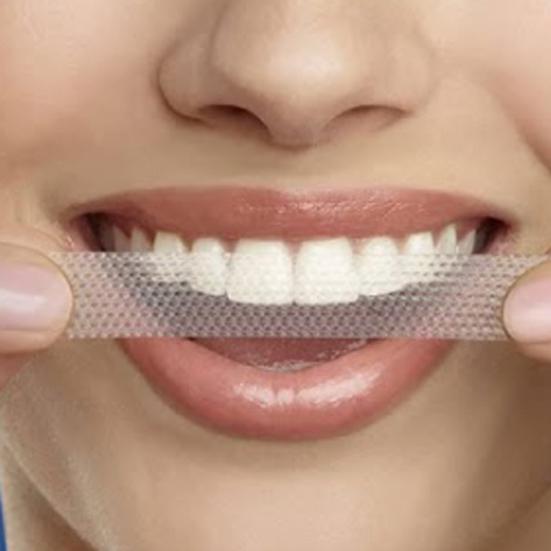
Teeth whitening strips are one of the most popular at-home whitening solutions because they are affordable, easy to use, and widely available. Many people use them to remove stains from coffee, tea, smoking, and aging. But the most common questions are: Do whitening strips really work? And are they safe for daily use?
What Are Teeth Whitening Strips?
Whitening strips are thin, flexible plastic strips coated with a whitening gel. The gel usually contains active ingredients such as hydrogen peroxide or carbamide peroxide, which help break down stains on the surface of the teeth.
They are designed to be placed directly on the teeth for a specific amount of time, usually 20 to 60 minutes per day, depending on the product.
Do Teeth Whitening Strips Really Work?
Yes, whitening strips do work for most people when used correctly and consistently. However, their effectiveness depends on several factors:
Type of Stains
Whitening strips are most effective on:
- Coffee stains
- Tea stains
- Smoking stains
- Surface discoloration
They are less effective on:
- Deep internal stains
- Tetracycline stains
- Dental restorations like crowns or fillings
Product Strength
Stronger peroxide-based strips generally provide faster results, but they must be used carefully to avoid sensitivity.
Consistency of Use
Most whitening strips require daily use for 7–14 days. Skipping applications can reduce effectiveness.
Expected Results
- Noticeable whitening within 3–7 days
- Full results in about 1–2 weeks
- Teeth may become several shades lighter depending on stain level
So yes, whitening strips are effective, but they are not a permanent or instant solution.
How Whitening Strips Work
Whitening strips work by releasing a bleaching agent that penetrates the enamel and breaks down stain molecules.
Step-by-Step Process
- The strip sticks to the surface of the teeth
- The whitening gel activates
- Oxygen molecules break down stains
- Teeth appear brighter and whiter over time
This process is safe when used correctly and in moderation.
Are Whitening Strips Safe for Daily Use?
Whitening strips are generally safe when used as directed, but daily long-term use is not always recommended beyond the treatment period.
Safe Usage Guidelines
- Use once daily during a treatment cycle (usually 7–14 days)
- Do not overuse or extend treatment longer than recommended
- Follow product instructions carefully
- Avoid swallowing the gel
Possible Side Effects of Overuse
Using whitening strips too often or incorrectly may cause:
Tooth Sensitivity
Temporary sensitivity to hot or cold foods is the most common side effect.
Gum Irritation
If the strips touch the gums, mild irritation or redness may occur.
Enamel Stress
Overuse of bleaching agents can weaken enamel over time.
Who Should Be Careful Using Whitening Strips?
Whitening strips may not be suitable for everyone. Extra caution is needed for:
- People with sensitive teeth
- Individuals with gum disease
- Pregnant or breastfeeding women (consult dentist first)
- People with crowns, veneers, or fillings (strips do not whiten artificial teeth)
If you have dental concerns, it is best to consult a dentist before using whitening products.
How to Use Whitening Strips Safely
To get the best results without harming your teeth, follow these tips:
Brush Before Use (But Not Immediately After)
Brush your teeth before applying strips to remove plaque, but avoid brushing right after use if your teeth feel sensitive.
Apply Correctly
Make sure strips stick only to the teeth and not too much on gums.
Follow Timing Instructions
Leave strips on for the recommended time only. Longer use does not mean better results.
Avoid Food and Drinks After Use
Wait at least 30–60 minutes before eating or drinking.
Use Sensitivity Toothpaste if Needed
If sensitivity occurs, switch to toothpaste designed for sensitive teeth.
Whitening Strips vs Other Whitening Methods
Whitening Strips
- Affordable
- Easy to use
- Good for mild to moderate stains
- Results in 1–2 weeks
Whitening Toothpaste
- Daily maintenance
- Very mild whitening effect
- Safe for long-term use
Professional Whitening
- Fastest results
- More expensive
- Done under dentist supervision
Whitening Gels or Pens
- Targeted application
- Moderate effectiveness
- Convenient for touch-ups
How Long Do Whitening Strips Last?
The results of whitening strips are not permanent. Typically:
- Results last 3–12 months
- Duration depends on diet and oral hygiene
- Coffee, tea, and smoking can shorten results
To maintain results, occasional touch-up treatments may be needed.
How to Maintain White Teeth After Whitening Strips
To keep your smile bright for longer:
- Brush twice daily
- Floss regularly
- Reduce coffee, tea, and smoking
- Use whitening toothpaste for maintenance
- Drink water after meals
- Visit a dentist for regular cleanings
Good oral hygiene plays a major role in keeping teeth white after treatment.
Pros and Cons of Whitening Strips
Pros
- Easy to use at home
- Affordable compared to dentist treatments
- Visible results in days
- Widely available
Cons
- May cause temporary sensitivity
- Not effective on deep stains
- Requires daily use for best results
- Results are not permanent
Final Verdict
Yes, teeth whitening strips really work for most people, especially for removing surface stains caused by food, drinks, and smoking. They are a safe and effective at-home whitening option when used correctly and for the recommended duration.
However, they are not meant for continuous daily use long-term. Instead, they should be used in short treatment cycles followed by proper oral care to maintain results.