
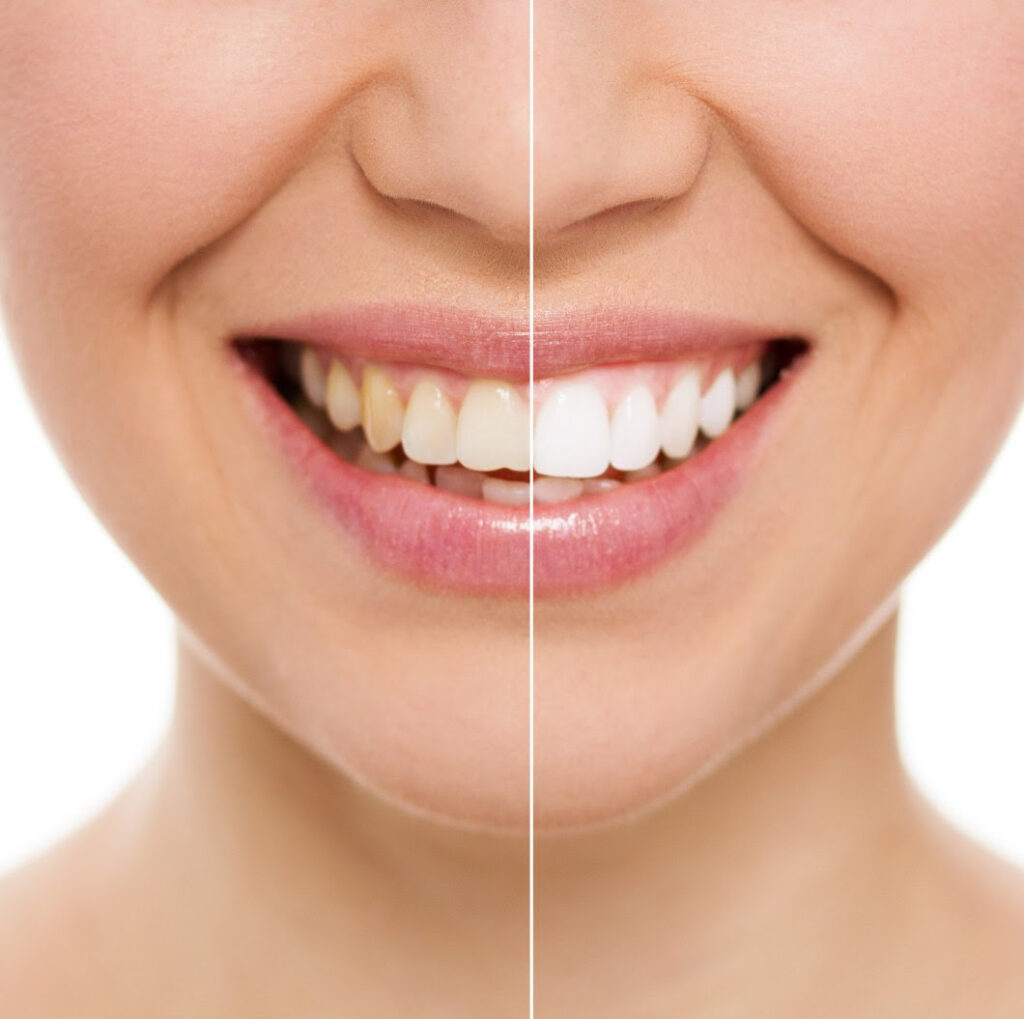
A bright white smile is often associated with confidence, cleanliness, and good oral hygiene. Over time, however, teeth can become stained or discolored due to coffee, tea, smoking, aging, sugary foods, and poor dental habits. Many people search for safe ways to whiten teeth at home without causing damage to enamel. Fortunately, modern teeth whitening solutions make it possible to improve tooth color while protecting oral health.
What Causes Teeth to Become Yellow?
Before learning how to whiten teeth safely, it is important to understand why teeth lose their natural brightness. Tooth discoloration can happen for several reasons.
Food and Drinks
Dark-colored beverages such as coffee, tea, soda, and red wine can stain tooth enamel over time. Foods with artificial coloring may also contribute to discoloration.
Smoking and Tobacco
Nicotine and tobacco are major causes of yellow and brown stains on teeth. These stains can become difficult to remove without whitening treatments.
Poor Oral Hygiene
Irregular brushing and flossing allow plaque and tartar buildup, making teeth appear dull and stained.
Aging
As people age, enamel gradually becomes thinner, exposing the yellowish dentin underneath the surface.
Certain Medications
Some medications and medical treatments can affect tooth color and cause discoloration.
Why Enamel Protection Matters
Enamel is the hard outer layer of the teeth that protects them from damage and sensitivity. Once enamel becomes weak or eroded, it cannot naturally grow back. This is why safe teeth whitening methods are important.
Using harsh chemicals, abrasive scrubs, or excessive whitening treatments may lead to:
- Tooth sensitivity
- Gum irritation
- Weak enamel
- Increased risk of cavities
- Uneven tooth color
Safe whitening focuses on improving brightness gradually while keeping enamel healthy and strong.
Safe Ways to Whiten Teeth at Home
Use Dentist-Approved Whitening Products
One of the safest ways to whiten teeth at home is by using professionally formulated whitening products. High-quality whitening strips, gels, pens, and toothpaste are designed to remove stains without harming enamel.
Look for products that contain safe whitening agents like hydrogen peroxide or carbamide peroxide in controlled amounts. These ingredients help break down stains effectively while minimizing damage when used correctly.
You can find a variety of whitening products at
HappySkins Teeth Whitening Collection
Whitening Strips for At-Home Whitening
Whitening strips are among the most popular home whitening solutions because they are easy to use and affordable.
How Whitening Strips Work
Whitening strips are coated with whitening gel that gently removes stains from the tooth surface. Most strips are worn for a short period daily over one or two weeks.
Tips for Safe Use
- Follow the instructions carefully
- Avoid leaving strips on longer than recommended
- Do not overuse whitening products
- Avoid eating or drinking immediately after treatment
- Stop use if severe sensitivity occurs
When used properly, whitening strips can noticeably improve tooth color without damaging enamel.
Whitening Toothpaste for Daily Maintenance
Whitening toothpaste helps remove surface stains and maintain brightness after whitening treatments. Many formulas contain gentle polishing ingredients that safely clean the teeth.
Choose toothpaste that:
- Contains fluoride for enamel protection
- Avoids harsh abrasives
- Is approved for daily use
Whitening toothpaste works best for maintaining results rather than dramatically whitening deeply stained teeth.
Use a Soft-Bristle Toothbrush
Brushing too aggressively can wear down enamel and increase tooth sensitivity. A soft-bristle toothbrush cleans effectively while protecting the tooth surface.
Brush your teeth:
- Twice daily
- Using gentle circular motions
- For at least two minutes
Proper brushing helps prevent stains and supports overall oral health.
Limit Foods and Drinks That Cause Stains
Reducing stain-causing foods and drinks can help maintain white teeth naturally.
Common Staining Foods
- Coffee
- Tea
- Cola drinks
- Red wine
- Dark sauces
- Berries
If you consume these items regularly, rinse your mouth with water afterward or brush your teeth later to reduce staining.
Drink More Water
Water helps wash away food particles and acids that can stain or weaken teeth. Drinking water throughout the day also supports saliva production, which naturally protects enamel.
Avoid Harmful DIY Whitening Methods
Many online home remedies claim to whiten teeth quickly, but some can seriously damage enamel.
Baking Soda Overuse
While baking soda can remove surface stains, excessive use may wear down enamel over time.
Lemon Juice and Vinegar
Acidic ingredients like lemon juice and vinegar weaken enamel and increase tooth sensitivity.
Charcoal Products
Some charcoal toothpastes are too abrasive and may scratch enamel if used frequently.
Hydrogen Peroxide Misuse
Using concentrated peroxide without professional guidance can irritate gums and damage teeth.
Safe whitening should always focus on gradual improvement rather than instant results.
How Long Does Teeth Whitening Take?
Results vary depending on the whitening method and the severity of staining.
Whitening Toothpaste
May take several weeks for visible improvement.
Whitening Strips
Often show results within one to two weeks.
Whitening Gels and Pens
Results can appear within days with regular use.
Professional Whitening
Dentist treatments usually provide faster and more dramatic results.
Consistency and proper use are key for achieving safe whitening results.
Tips to Prevent Tooth Sensitivity During Whitening
Some people experience temporary sensitivity during whitening treatments. These tips can help reduce discomfort:
- Use whitening products as directed
- Take breaks between treatments if needed
- Use toothpaste designed for sensitive teeth
- Avoid extremely hot or cold foods after whitening
- Choose products formulated for enamel protection
Sensitivity usually improves after treatment ends.
Best Habits for Naturally Whiter Teeth
Maintaining good oral hygiene is essential for keeping teeth white and healthy.
Brush and Floss Daily
Removing plaque helps prevent yellow stains and discoloration.
Visit Your Dentist Regularly
Professional cleanings remove tartar buildup and improve oral health.
Eat Crunchy Fruits and Vegetables
Apples, carrots, and celery help naturally clean the teeth while chewing.
Avoid Smoking
Tobacco products are one of the biggest causes of tooth staining.
Are At-Home Whitening Products Effective?
Yes, many at-home whitening products can effectively improve tooth color when used properly. While results may not be as dramatic as professional treatments, quality whitening strips, gels, and toothpaste can significantly reduce stains and brighten your smile safely.
Choosing trusted whitening products is important for avoiding enamel damage and gum irritation.
Explore safe whitening solutions at
HappySkins Teeth Whiteners Collection
When to See a Dentist
At-home whitening may not work for all types of discoloration. You should consult a dentist if:
- Teeth become extremely sensitive
- Whitening products cause pain
- You have damaged fillings or crowns
- Stains do not improve after treatment
- You experience gum irritation
A dentist can recommend the safest whitening option for your needs.
Final Thoughts
Whitening teeth at home can be safe and effective when done correctly. The key is choosing gentle, enamel-safe whitening products and following healthy oral care habits. Avoid harsh DIY remedies that may damage enamel and instead focus on trusted whitening methods that gradually improve tooth color.
With proper care, regular brushing, and high-quality whitening solutions, you can achieve a brighter smile while protecting your enamel and overall oral health. Safe whitening is not about quick fixes but about maintaining healthy, confident teeth for the long term.