
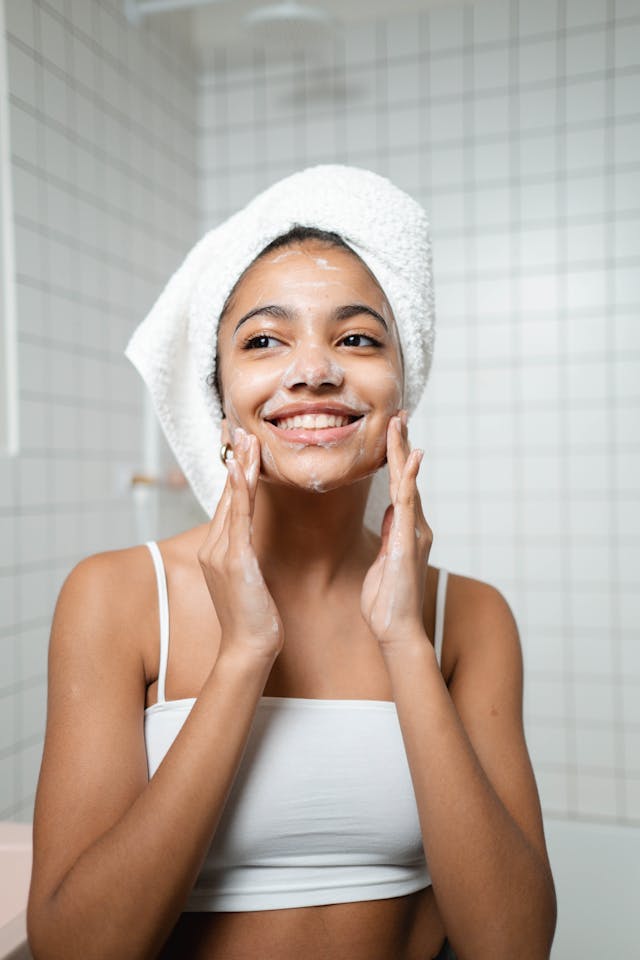
Tretinoin has earned a strong reputation in dermatology for its ability to improve acne, refine texture, and reduce visible signs of aging. Unlike over-the-counter cosmetic ingredients, tretinoin is a prescription-strength retinoid that works at a deeper level in the skin. When used correctly and consistently, it can gradually transform how the skin looks and behaves.
In this article, we’ll explore what tretinoin is, how it works, its benefits, and how to use it safely in a skincare routine.
What Is Tretinoin?
Tretinoin is a derivative of vitamin A and belongs to a class of compounds called retinoids. It is commonly prescribed to treat acne, fine lines, uneven skin tone, and certain types of pigmentation.
It is available in different strengths and forms, such as creams, gels, and lotions. Because of its potency, tretinoin is usually introduced slowly into a routine to allow the skin to adjust.
How Tretinoin Works on the Skin
Tretinoin works by increasing the rate of skin cell turnover. This means it helps the skin shed old, damaged cells more quickly and replace them with new ones.
At the same time, it helps:
- Prevent clogged pores, which reduces acne formation
- Stimulate collagen production, improving skin firmness
- Fade dark spots and pigmentation over time
- Smooth rough or uneven skin texture
By targeting multiple layers of the skin, tretinoin provides both short-term improvements and long-term benefits.
Key Benefits of Tretinoin
Acne Control
Tretinoin is widely used for treating acne. It keeps pores clear and reduces the formation of whiteheads, blackheads, and inflammatory breakouts.
Anti-Aging Effects
Regular use can reduce the appearance of fine lines and wrinkles by boosting collagen and improving skin elasticity.
Improved Skin Texture
Skin becomes smoother and more refined as dead cells are removed and new cells form more efficiently.
Reduction in Pigmentation
Tretinoin helps fade dark spots, acne marks, and uneven skin tone by accelerating the skin renewal process.
How to Use Tretinoin Safely
Using tretinoin correctly is important to get results while minimizing irritation.
1. Start with Clean, Dry Skin
Wash your face with a gentle cleanser and allow it to dry completely before applying tretinoin. Applying it on damp skin can increase irritation.
2. Use a Pea-Sized Amount
A small amount is enough for the entire face. Applying more will not speed up results and may cause redness or peeling.
3. Apply at Night
Tretinoin should be used at night because it can break down when exposed to sunlight.
4. Begin Slowly
Start by using it two to three times per week, then gradually increase frequency as your skin builds tolerance.
5. Follow with Moisturizer
A gentle moisturizer helps reduce dryness and supports the skin barrier during treatment.
6. Use Sunscreen Daily
Daily sunscreen is essential. Tretinoin can make the skin more sensitive to UV exposure, increasing the risk of sun damage.
What to Expect: Timeline and Results
Tretinoin is not a quick fix. It works gradually, and patience is key.
- First few weeks: You may notice dryness, redness, or mild peeling
- 4 to 6 weeks: Early improvements in texture and acne
- 8 to 12 weeks: More visible changes in tone and clarity
- Long-term: Continued improvement in fine lines and pigmentation
Some users may experience a temporary increase in breakouts at the beginning, often referred to as a “purging” phase. This usually settles as the skin adjusts.
Common Side Effects
Tretinoin can cause mild side effects, especially during the initial weeks:
- Dryness
- Redness
- Peeling
- Sensitivity
These effects are generally temporary and can be managed by adjusting frequency and using supportive skincare products.
Who Should Use Tretinoin?
Tretinoin is suitable for:
- Individuals with acne-prone skin
- People dealing with hyperpigmentation or acne marks
- Those looking to improve fine lines and overall skin texture
It may not be suitable for very sensitive skin or individuals who cannot tolerate active ingredients. Consulting a dermatologist before starting is always recommended.
Tips to Maximize Results
- Keep your routine simple and gentle
- Avoid mixing with strong exfoliants in the beginning
- Stay consistent with application
- Protect your skin from sun exposure
- Be patient and allow time for visible results
Conclusion
Tretinoin remains one of the most effective ingredients in skincare for treating acne, improving texture, and addressing early signs of aging. While it requires patience and proper usage, the long-term benefits make it a valuable addition to a well-planned skincare routine.
With the right approach, consistent use, and proper sun protection, tretinoin can help you achieve clearer, smoother, and more even-looking skin over time.